
Global developmental delays
Profound developmental delays turn holding the head up, sitting, walking, and learning into daily struggles—milestones families long to see their children reach.
Our son Rishan was diagnosed with DNM1 at just nine months. We’re working to advance genetic treatments—for him, and for other children whose families are holding on to the same hope.
Supporting DNM1 research and the development of potential treatments.
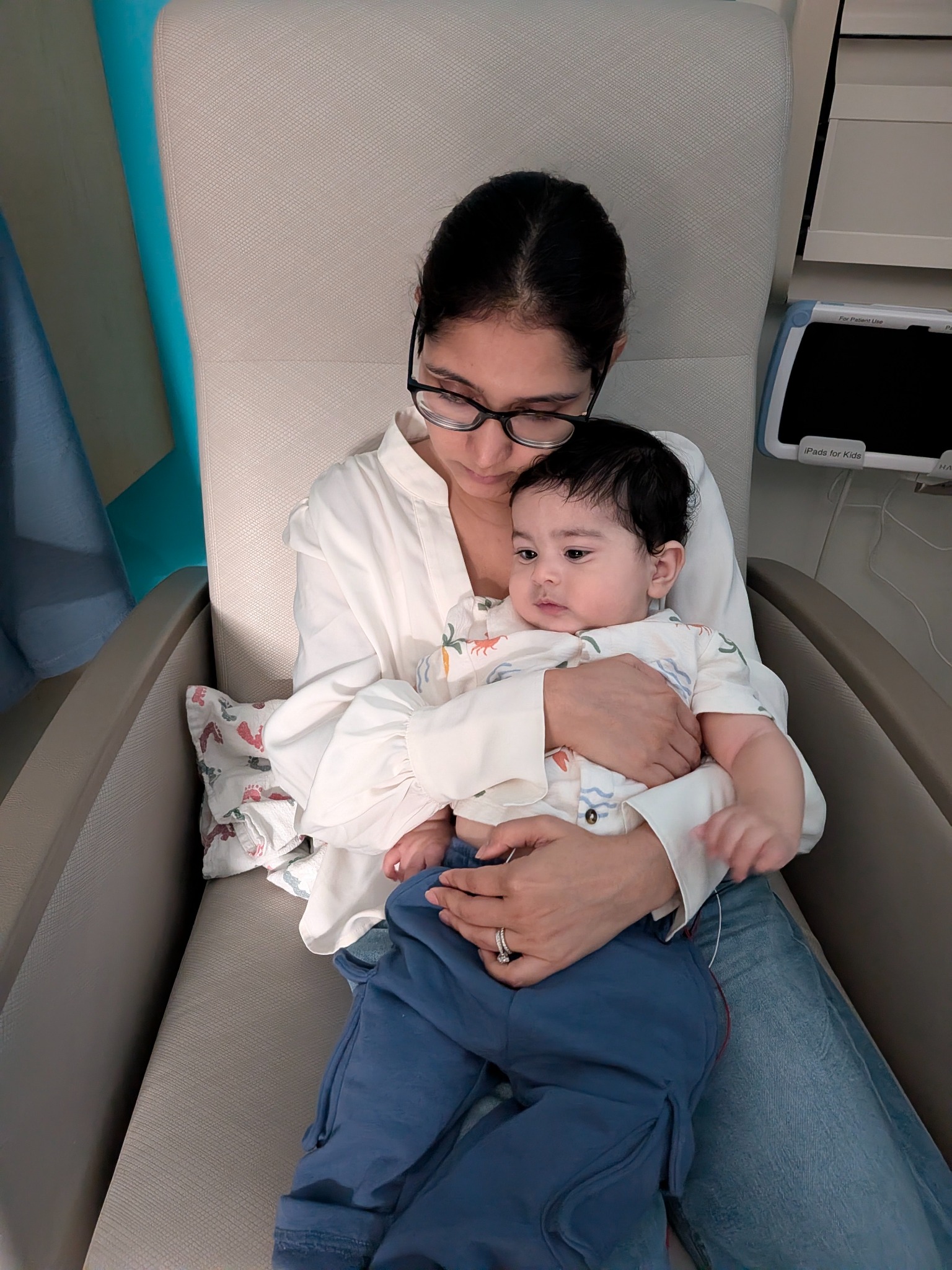
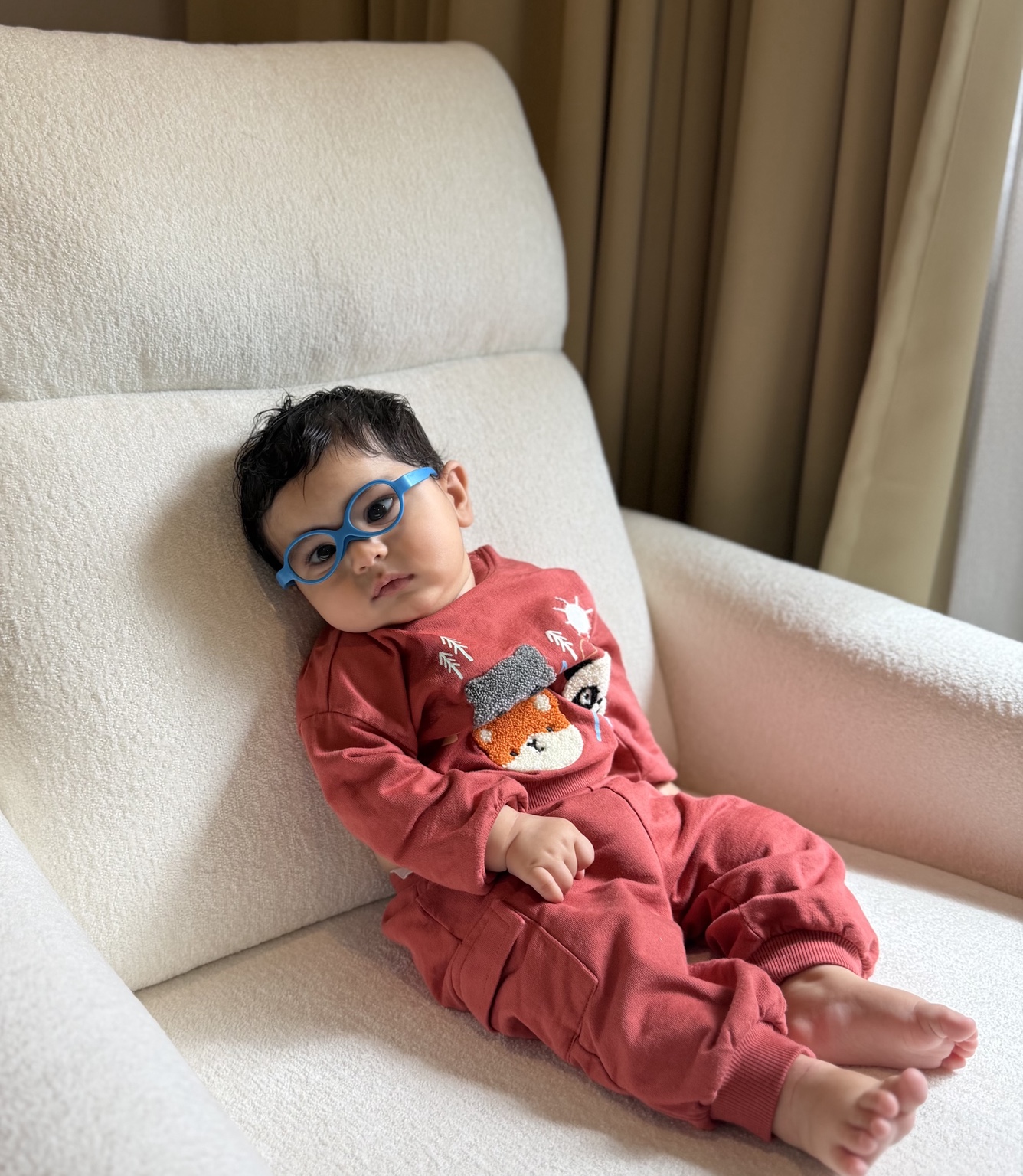
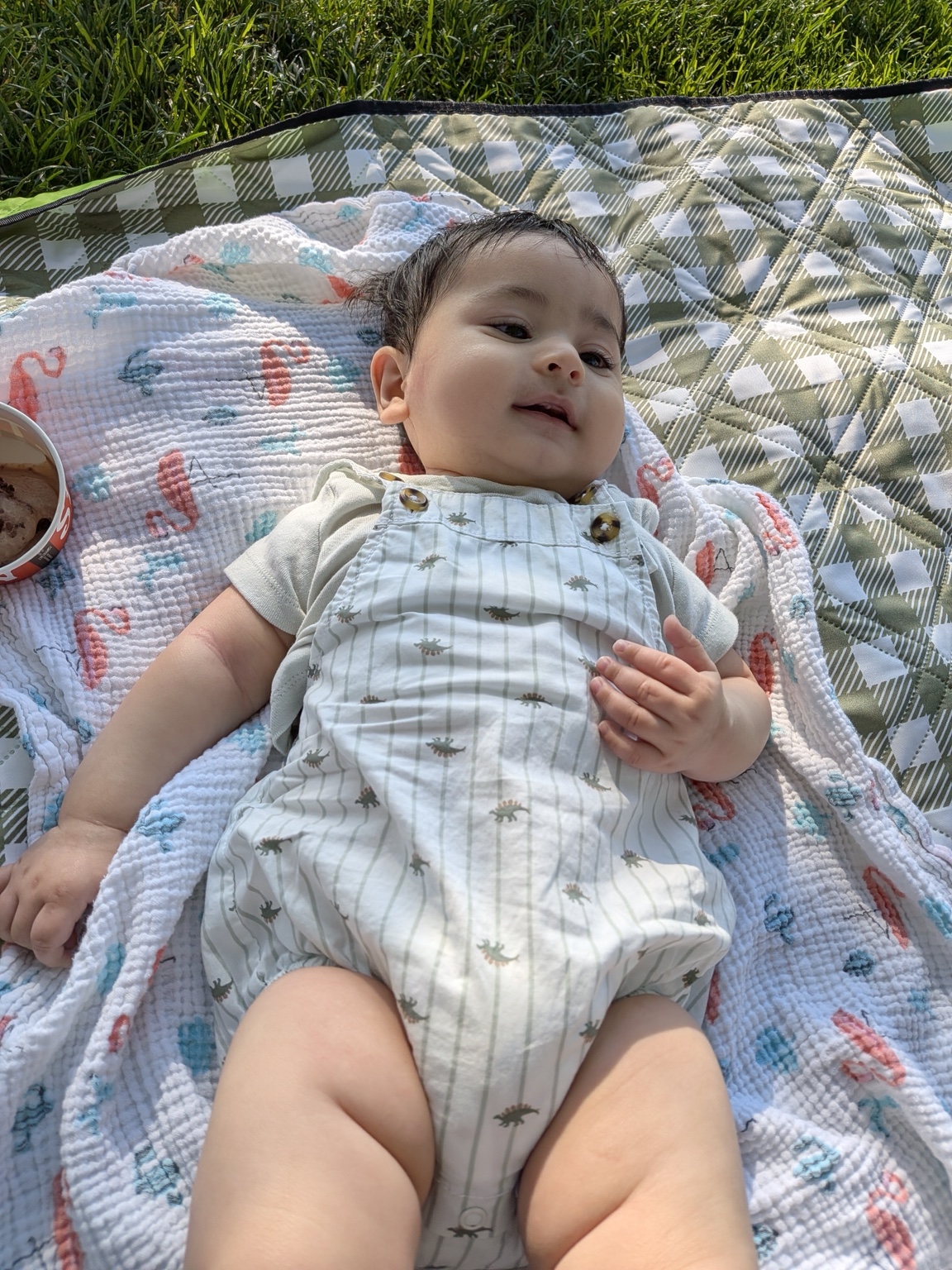
At just nine months old, Rishan was diagnosed with DNM1, a rare genetic disorder that affects brain development. In one conversation, the future we had imagined for our little boy became heartbreakingly uncertain.
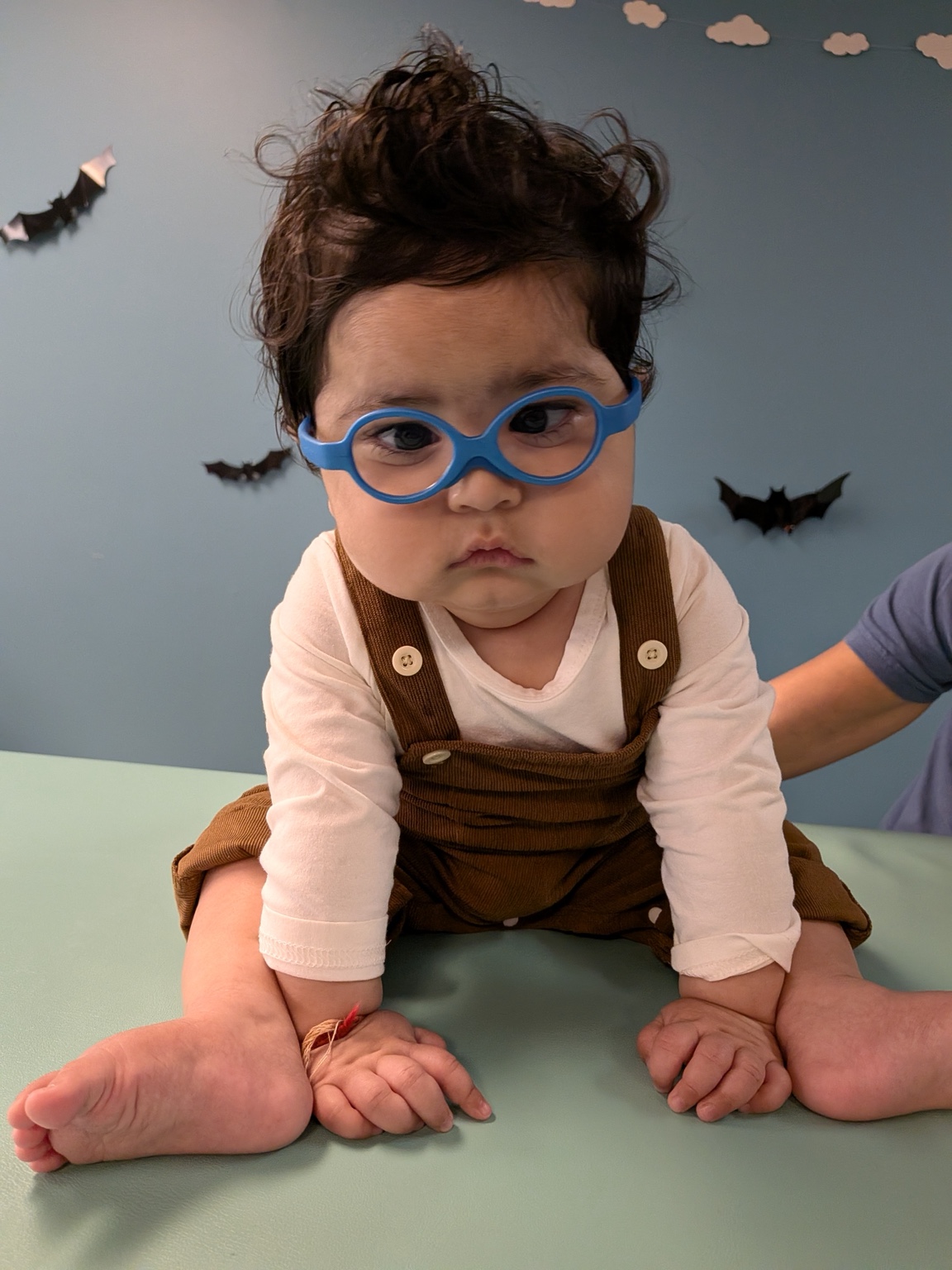
We watch him work so hard to do what comes naturally to so many babies—even holding his head up. We have faced the fear of seizures and the ache of milestones that remain out of reach. Alongside the everyday work of caring for him, we carry questions we cannot answer.
Will he sit? Will he walk? Will we ever hear him say “Mama”?
Then Rishan giggles, and for a moment, the worry gives way to joy. His smile fills our world. We want you to know this little boy: deeply loved, full of warmth, and bringing happiness to the people around him.
We cannot know what his future will hold. But we want to give him every chance to grow, to connect, and to tell us what he needs. That love is why we are taking action—and why your care for Rishan means so much to our family.
DNM1 can affect the foundations of a child’s life: the ability to move, communicate, eat, and see the world around them. Seizures can begin in infancy and be difficult to control. For families like ours, these are not just symptoms on a page—they shape every day, every milestone, and every hope for the future.
Profound developmental delays turn holding the head up, sitting, walking, and learning into daily struggles—milestones families long to see their children reach.
Severe seizures typically begin in infancy and are often drug-resistant.
Low muscle tone can make posture and movement difficult. Some children also develop stiffness or involuntary movements.
Speech may be very limited or absent. Children may need support and alternative ways to communicate.
Feeding and swallowing can be major daily hurdles. Some children need a gastrostomy tube (G-tube) to receive the nutrition they need.
Poor visual tracking, eye alignment problems, or difficulty processing visual information can affect how children see and interact.
We are bringing parents, scientists, clinicians, and supporters together to explore treatments for his DNM1 R237W mutation. Our goal is to help build the evidence and research tools needed to move potential therapies towards clinical studies.
This work begins with our son, but our hope reaches other children and families living with DNM1. Research takes careful testing, collaboration, and resources. We are committed to helping move it forward.
Explore our research roadmap →We are bringing parents, scientists, clinicians, and supporters together to help develop treatments for Rishan’s condition. Our mission starts with him, but reaches every child who could benefit from progress in DNM1 research.
Our goal is to develop a therapy for Rishan’s DNM1 R237W mutation and help build a path for other children.
Our proposed research roadmap. Progress depends on the evidence at each stage and regulatory review; this is not an available treatment or a promise of benefit.
Support disease models and patient-derived cells to help researchers understand DNM1 and evaluate potential therapies.
Design a potential therapy tailored to Rishan’s DNM1 mutation, R237W.
Test the approach in patient-derived human cells to assess its effects and look for signs of benefit.
Study the therapy in relevant mouse models to assess its effects, delivery, and potential risks.
Manufacture the investigational therapy and complete the quality and safety testing needed to seek FDA clearance.
Once the FDA clears the investigational treatment to proceed, work with the clinical team to administer it and carefully monitor safety and response.
 Donate · Be part of his village
Your donation can help advance DNM1 research—from disease models and patient-derived cells to the evaluation of potential treatments. Help us build a path forward for Rishan and other children with DNM1.
Donate through Rare VillageOnline donations are not collected on this website.
Share this mission with a friend, your community, or someone who can help. One introduction can open a new door.
Know a researcher or clinician working on rare neurological disorders, gene editing, or antisense therapies? Introduce them to Rishan’s mission.
Our research priorities include disease models, patient-derived cells, and testing potential therapies. The roadmap describes the work we aim to support.
No. This is a research effort. Any investigational treatment would require supporting evidence, safety testing, and regulatory clearance.
Donations are handled through the linked GoFundMe page for Hope for Rishan, rather than collected on this website.